What is adaptive cruise control – and is it worth it?
Lots of cars feature adaptive cruise control technology these days, but not everybody knows how to make best use of it. Here are some useful tips to get the most out of this impressive kit.


What is adaptive cruise control?
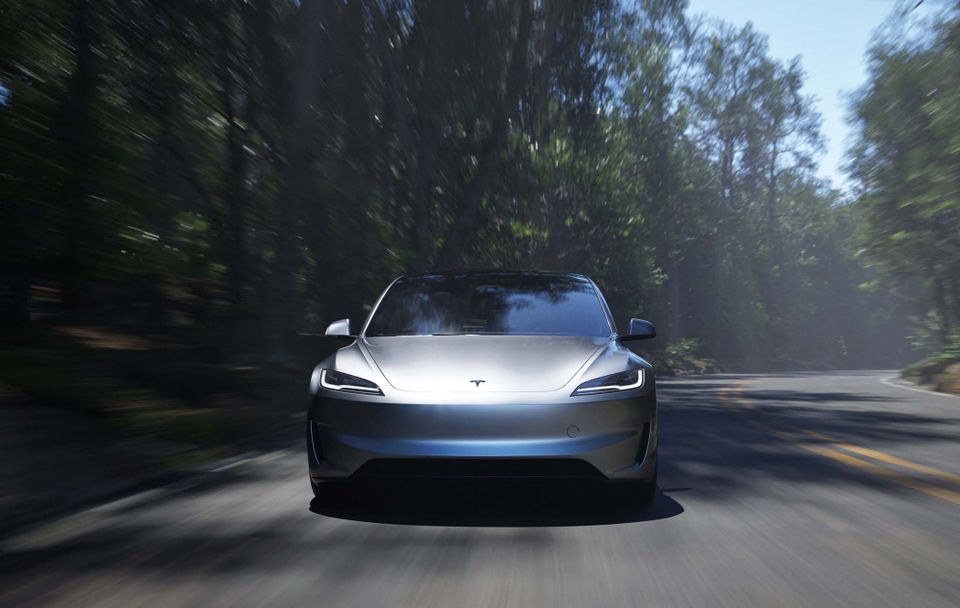
Adaptive cruise control is built on the fundamentals of regular cruise control, which allows you to set and maintain a speed for your car without having to keep your foot on the throttle.
The 'adaptive' part means the car is able to keep a set distance from the car in front of you – your set speed essentially becomes the 'maximum'. So if the car in front slows down, yours will too.
Some cars have a development of this, which many manufacturers will call 'traffic jam assist' or a similar variation. It allows the car to come to a complete stop and set off again, without the driving pressing the throttle.
How does adaptive cruise control work, and how is it different to standard cruise control?
Adaptive cruise control uses cameras and/or radars to detect the distance between the driver's car and the vehicle in front.
It allows the car to hold a set distance from the driver in front, so if that driver slows down, so will you.
Once you've set your adaptive cruise control (ACC)'s speed, that becomes the maximum. Your car will decelerate if needed and accelerate back up to that limit.
More advanced systems work at lower speeds, which is especially useful in stop-start traffic, but the driver must always remain in charge.
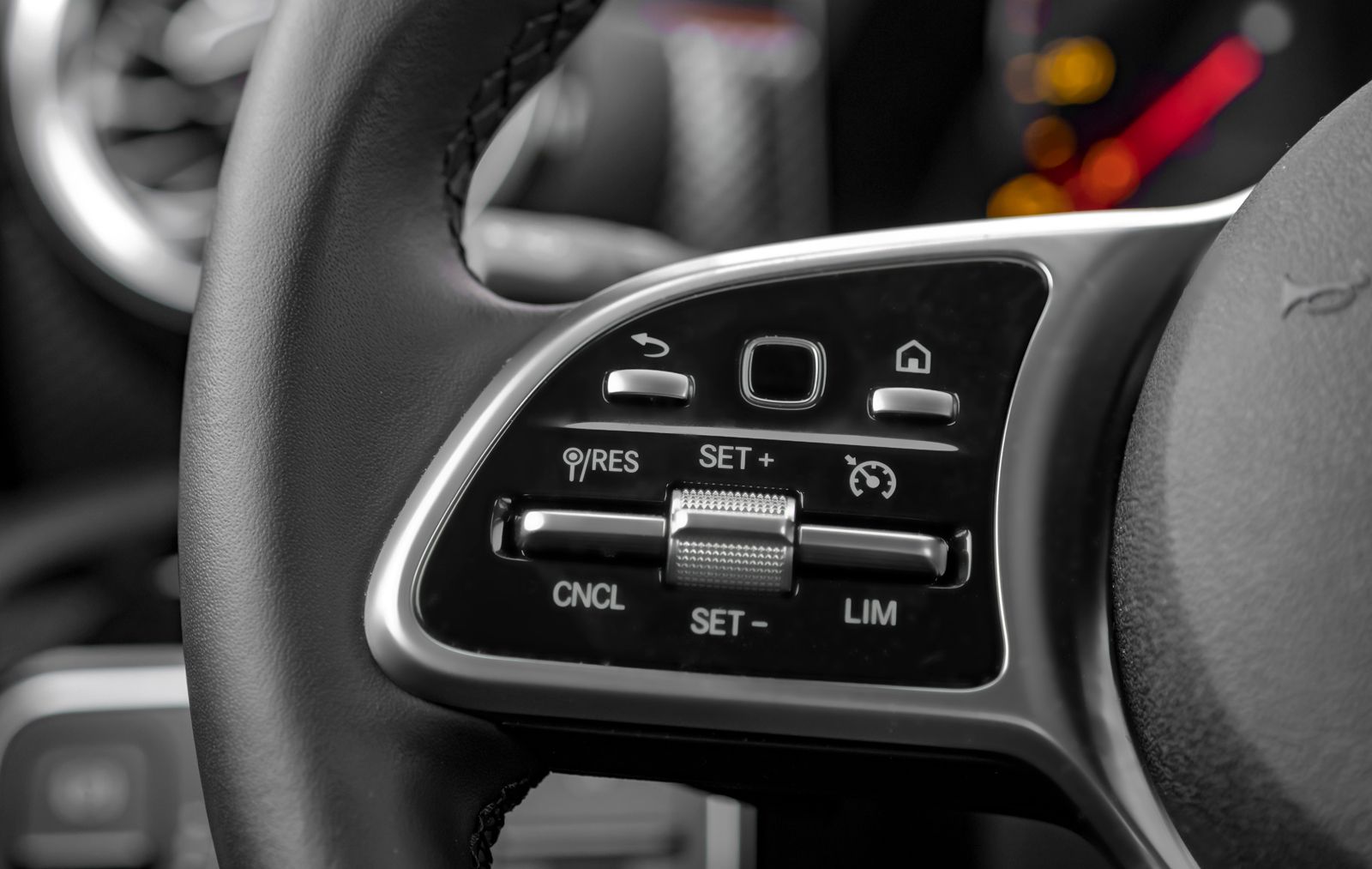
Setting ACC usually requires you to set your preferred speed and distance, usually via buttons on the steering wheel, depending on make and model.
You'll usually find a 'cancel' or 'off' button there, too, but pressing the brake will also automatically disengage adaptive cruise control.
ACC behaves differently in manual cars – some disengage when you depress the clutch, while others re-engage once you've selected your new gear.
What are the benefits of adaptive cruise control?
The main benefit is that ACC can make driving on long journeys that little bit more relaxing and comfortable for your legs.
ACC can also be perceived as a safer way to drive, because it should prevent you from getting too close to the car in front even if they slow down. But the driver should always remain alert and ready to take over – an emergency stop, for example, might happen too fast for the car to react effectively enough.
Many cars with ACC can also have other features fitted, like lane assistance and steering assistance technology, as well as blind-spot monitoring, which all combine to increase safety and make driving more comfortable.
How safe is adaptive cruise control?
Many drivers will understandably be reluctant to hand over this kind of decision-making to the car they’re driving.
After all, accidents often happen because of unexpected actions and poor decisions, and some fear that ACC won't react quickly enough to the circumstances ahead.
In many cases, a computer can react faster than a human, especially a distracted one, but there are still times where ACC might not be as effective.
These usually involve camera and radar interference, which can come from heavy rain, fog, snow or even that they're just covered in mud or dust.
Crucially, having an ACC system doesn't mean you can skip out on being cautious as you drive, and you'll still need to focus on the road and expect the unexpected, even with this fab safety tech.
Will adaptive cruise control save me money?
Maintaining a steady speed can save you money by improving fuel economy, and ACC systems usually accelerate gently and sensibly – we can't say the same about all drivers.
Having ACC is unlikely to have any meaningful impact on your insurance costs.

Is adaptive cruise control worth it?
If you’re the sort of driver who does big miles on the motorway or finds themselves regularly stuck in traffic, adaptive cruise control can be a massive help.
Even if you don't regularly drive long distances, you'll likely appreciate the technology on that occasional big road trip.
If you can find a car within your budget that has adaptive cruise control, happy days.